

Inviting Public Art to Support Community
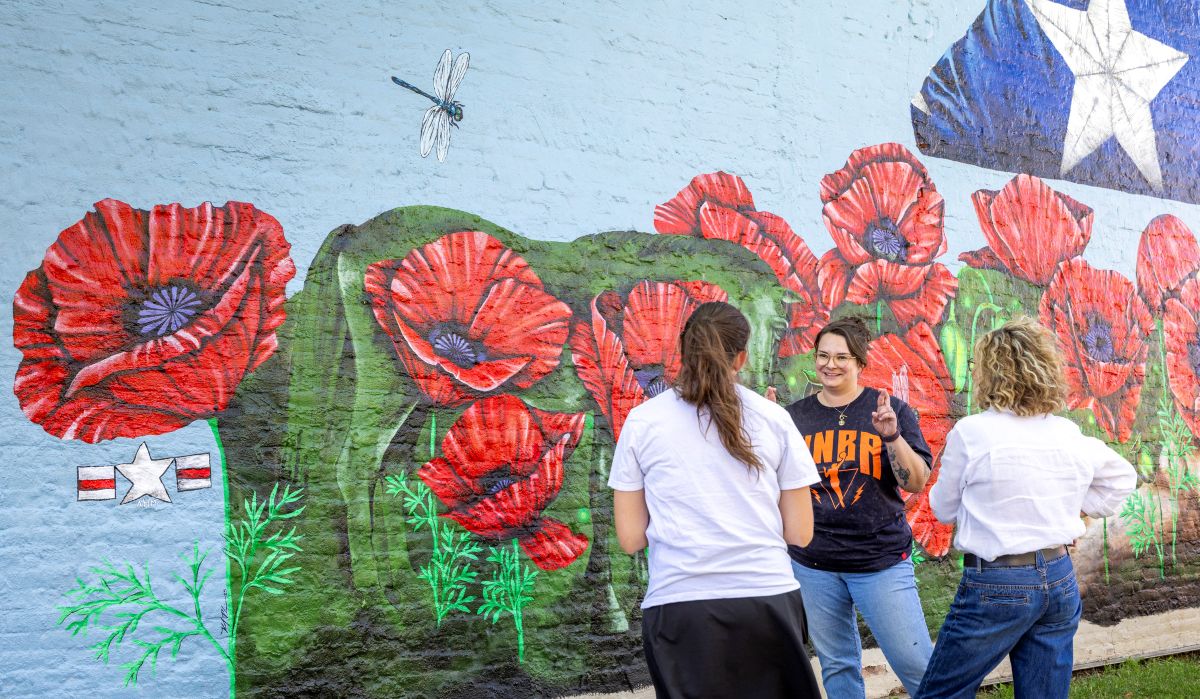
Photo: Marcus “Doc” Cravens, MSU Photo
The first mural in the Miles City Downtown Art Walk began with one curious and determined resident who wondered whether a public art project could happen locally — and decided it could. That resident, Kelsey Merritt, is now the director of the Miles City Downtown Art Walk, an initiative to turn downtown into an open gallery. She says that bringing a mural to a community takes planning, collaboration, and patience, but the process can create a lasting source of community pride.
The first steps are identifying a unified vision for the mural and potential artists. Communities should look for artists who have experience creating large-scale murals and whose style fits the vision of the project. Consider prioritizing local and regional artists. Merritt recommends previewing artists’ completed work and communicating with them to determine whether their style, personality, and rates are a good fit for your community. Quality artwork is an investment, and she emphasizes the importance of choosing an experienced artist for large-scale pieces.
Once potential artists are identified, organizers can begin searching for a building owner willing to host the mural. The location should be highly visible and contribute to the appearance of the area as well as encourage community pride.
For many building owners, especially those maintaining historic Montana Main Street buildings, funding routine building maintenance can already be challenging. Undertaking art projects may be difficult to finance without assistance. As a result, grant writers, community supporters, and local fundraising efforts often play an essential role in making mural projects possible. Because grants can take considerable time to secure, planning and applications typically begin 18 to 24 months before painting starts.
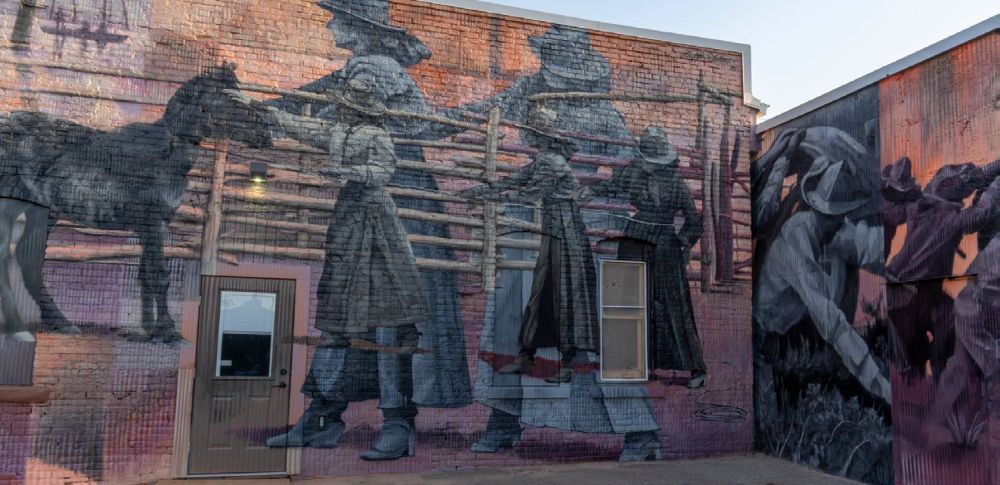
Photo: Miles City Live
After an artist is chosen, they create concept renderings. The mural process becomes highly collaborative as the artist, building owner, and project organizer meet to review the design. Together they will refine the design, determine project costs (including paint, supplies, equipment rentals, artist fees, and promotional expenses), and finalize an agreement among all parties.
Once supplies are secured, the wall is washed, primed, and readied to become a canvas. Then, the painting begins. For many residents, watching a mural take shape becomes an event. According to Merritt, community involvement is one of the most rewarding aspects of the experience. Residents may stop by with coffee or lunch for the artist, offer encouragement, and share photos of the mural’s progress on social media, encouraging the shared goal of community pride. Some mural projects include an opportunity for community groups or fundraisers to participate in preparation and painting.
When the final brushstroke is complete, a mural receives a protective sealant to help it withstand weather, time, and possible vandalism. Routine applications of protective sealants can lengthen the lifespan of murals. With proper care, a mural can remain a lasting and vibrant part of a community for years to come.
To learn more about the Miles City Downtown Art Walk and the 17 murals and sculptures in Miles City, visit their website at mcdaw.org.
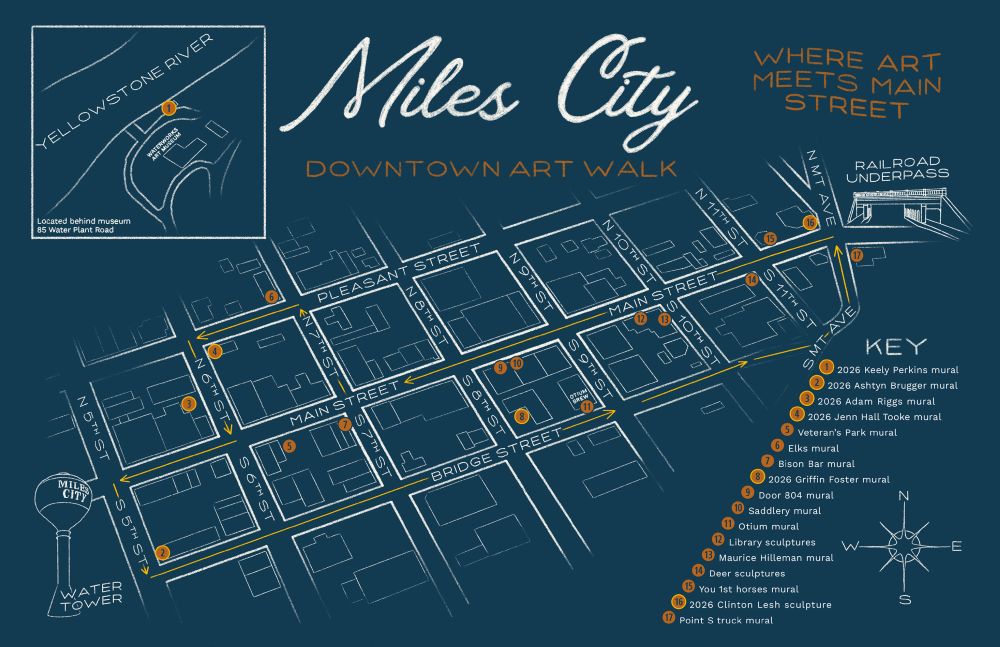
Photo: Megan Crawford
Jennifer Peabody is the MSU Extension Family and Consumer Sciences and Community Vitality
Agent in Custer County.